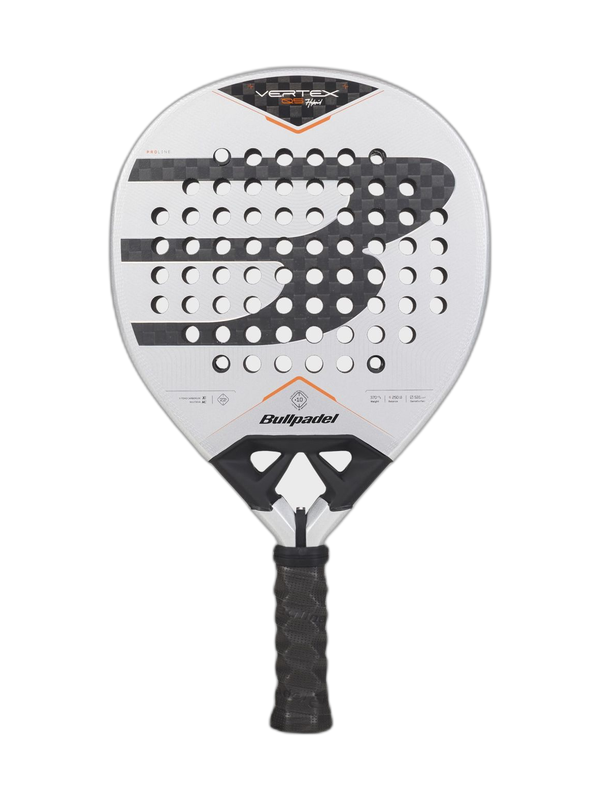
Strengths and tradeoffs
- Compact blocks and volleys are the useful situations. Controlled overheads can maintain pressure, while an isolated heavy finish receives less help than the handling-oriented profile might suggest.
- The medium response is manageable with organised contact. Useful off-wall access does not rescue every late ball; depth becomes less dependable when preparation disappears.
Playing profile
Compact blocks and volleys are the useful situations. Controlled overheads can maintain pressure, while an isolated heavy finish receives less help than the handling-oriented profile might suggest.
Contact and handling
The medium response is manageable with organised contact. Useful off-wall access does not rescue every late ball; depth becomes less dependable when preparation disappears.
Who it suits
It suits established players who value quick reactions and controlled pressure. Compare it in actual defensive transitions and repeated net exchanges, including the grip and accessories you intend to use.
It suits established players who value quick reactions and controlled pressure. Compare it in actual defensive transitions and repeated net exchanges, including the grip and accessories you intend to use.
Do these ratings prove one racket is better for me?
No. The scores describe an editorial technical profile. Setup, preparation and contact quality can change the result. Compare the conditions described in the review.
Sources and uncertainty
This review is an independent editorial assessment by Padel Chapter, based on product specifications, technical research and available external information. Padel Chapter has not personally tested this racket on court.
Editorial estimates, not physical measurements. Player and setup scenarios overlap; a small difference is not a demonstrated winner.