Loading page…
Padel shoes
Which padel shoe suits you? Explore comfort, fit and options for your playing style, including guidance for outdoor and indoor courts.
Start the shoe finder →Personalised
Which padel shoe suits you?
Most players choose the shoe on the shelf or the one that looks best. Filter by what matters to you.
Foot width
The most overlooked factor. Babolat and Head usually fit narrower; Asics and Wilson offer more room.
Priority
Grip, comfort, stability or durability: you cannot maximise everything. Choose one.
Padel shoe finder
Which padel shoe suits you?
Foot width
Priority
Who it suits
UK price filters are unavailable. Compare fit and playing characteristics instead.
Brand
Choose a filter to see personalised recommendations.
Padel Chapter's picks
The best padel shoes right now
Four editorial picks based on 81 reviewed models. One clear choice in each category.
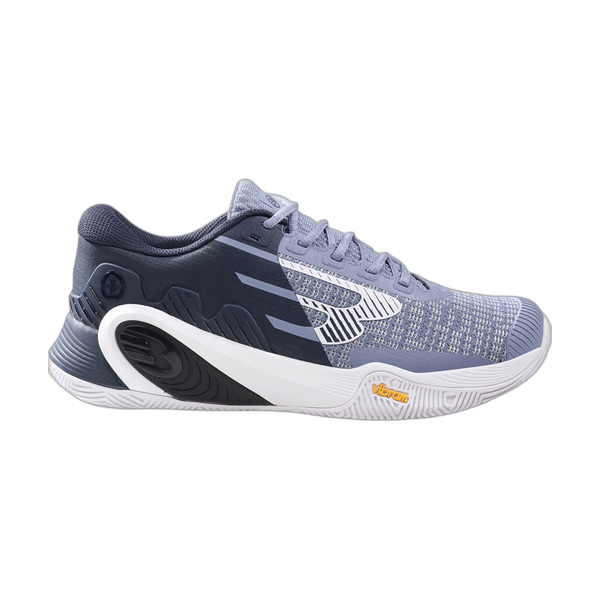
7.6
Padel Chapter
Best all-round
Bullpadel
Vertex Vibram 26V
“Vertex Vibram 26V: Bullpadel's best shoe for 2026, wear resistance and strong grip.”
Who it is for: Advanced and competition players on artificial grass who prioritise maximum durability and grip.
Read review →
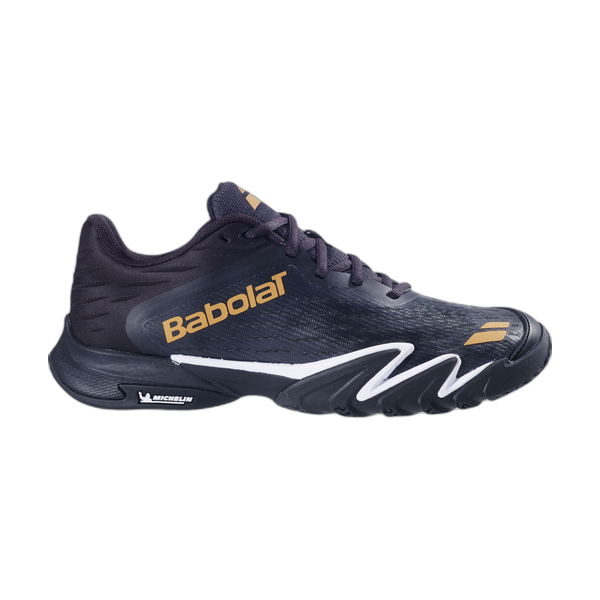
7.3
Padel Chapter
Best grip
Babolat
Jet Premura 3
“Babolat Jet Premura 3: best artificial-grass grip, sharp last for attacking players.”
Who it is for: Experienced and competitive players with narrow feet seeking maximum artificial-grass grip and stability.
Read review →
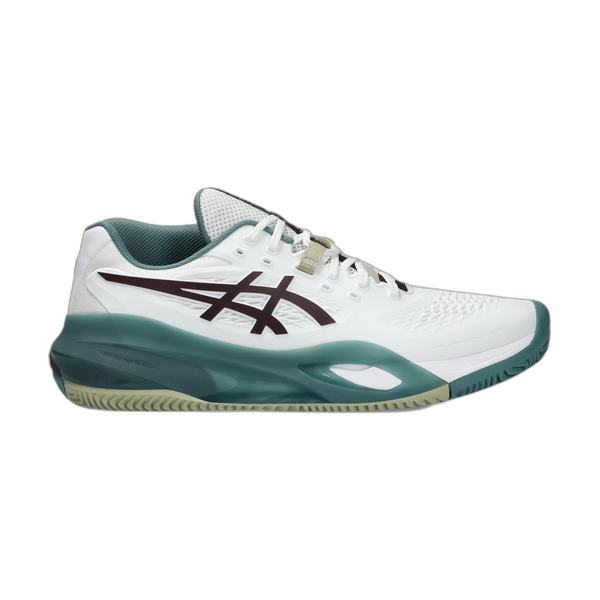
8.4
Padel Chapter
Best stability
Asics
GEL-Resolution X Padel
“Targeted stability: targeted cushioning, a balanced profile: the most advanced Asics padel shoe for experienced players.”
Who it is for: Experienced and competitive players with standard or narrow feet seeking Asics quality with maximum stability.
Read review →
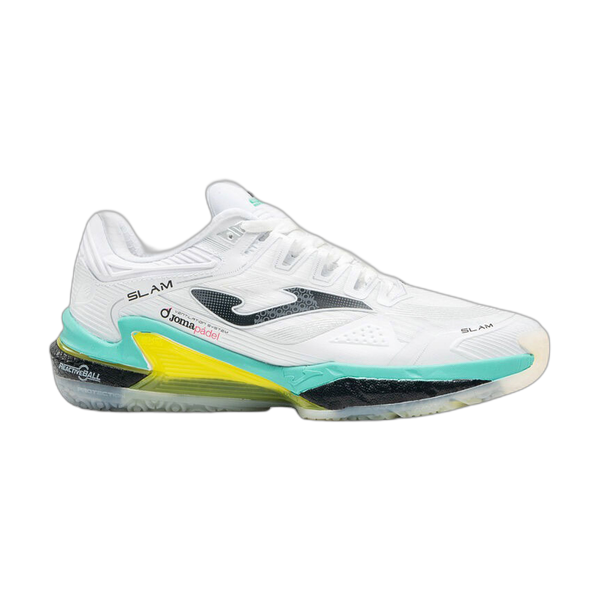
6.5
Padel Chapter
Model to compare
Joma
Slam Padel
Who it is for: Beginners and players with some experience seeking an affordable, WPT-approved all-court padel shoe with a regular last.
Read review →
Full overview
All 81 reviewed padel shoes
Filter by fit, playing priorities, gender or brand. Compare published assessments without a price filter.
Brand
UK price filters are unavailable. Compare fit and playing characteristics instead.
Foot width
Priority
Who it suits
81 shoes
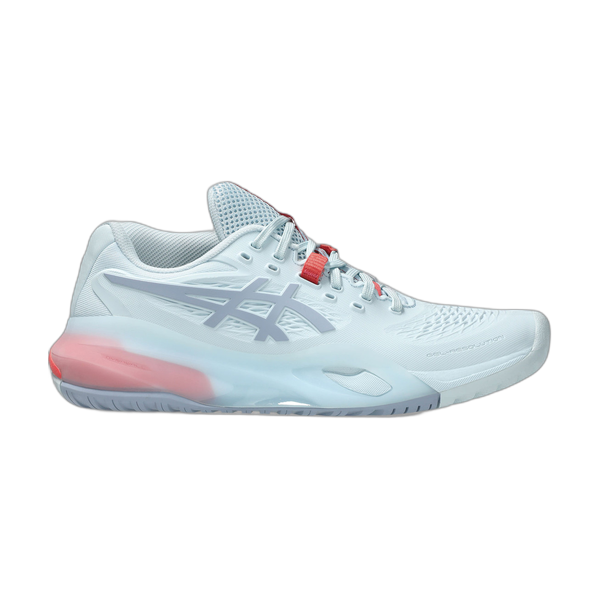
8.5
Padel Chapter
Read the review of Asics GEL-Resolution X W PadelAsics
GEL-Resolution X W Padel
- Comfort
- 8.6
- Grip
- 8.7
- Stability
- 9.0
- Durability
- 8.0
-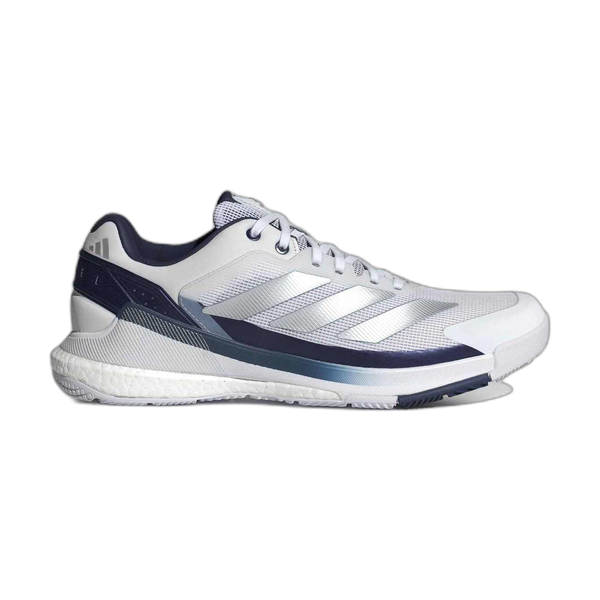
8.4
Padel Chapter
Read the review of Adidas Crazyquick BOOST PadelAdidas
Crazyquick BOOST Padel
- Comfort
- 9.0
- Grip
- 8.1
- Stability
- 8.1
- Durability
- 7.3
-
8.4
Padel Chapter
Read the review of Kuikma PS 990 DynamicKuikma
PS 990 Dynamic
- Comfort
- 7.9
- Grip
- 9.4
- Stability
- 9.3
- Durability
- 8.8
-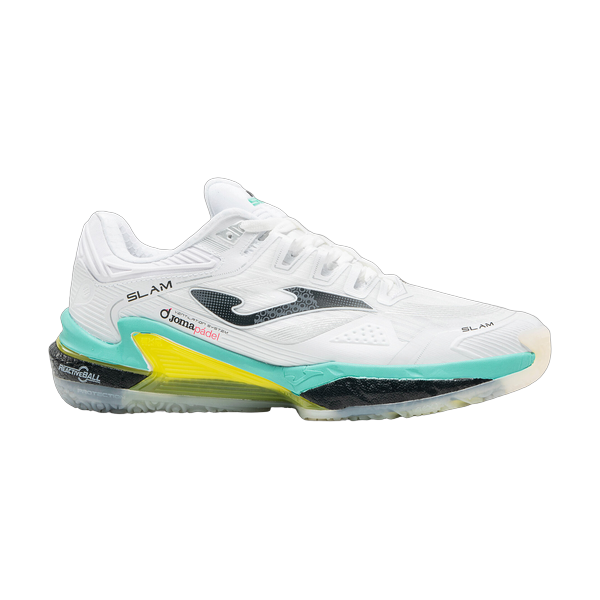
8.4
Padel Chapter
Read the review of Joma Slam Men 26Joma
Slam Men 26
- Comfort
- 8.6
- Grip
- 7.8
- Stability
- 8.4
- Durability
- 8.1
-8.4
Padel Chapter
Read the review of Asics GEL-Resolution X PadelAsics
GEL-Resolution X Padel
- Comfort
- 8.3
- Grip
- 8.7
- Stability
- 9.0
- Durability
- 8.0
-
8.4
Padel Chapter
Read the review of Bullpadel Neuron 26VBullpadel
Neuron 26V
- Comfort
- 7.8
- Grip
- 8.8
- Stability
- 8.9
- Durability
- 8.1
-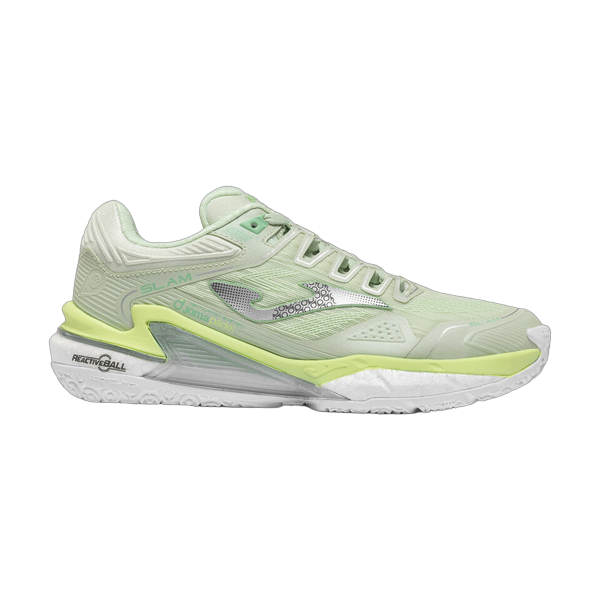
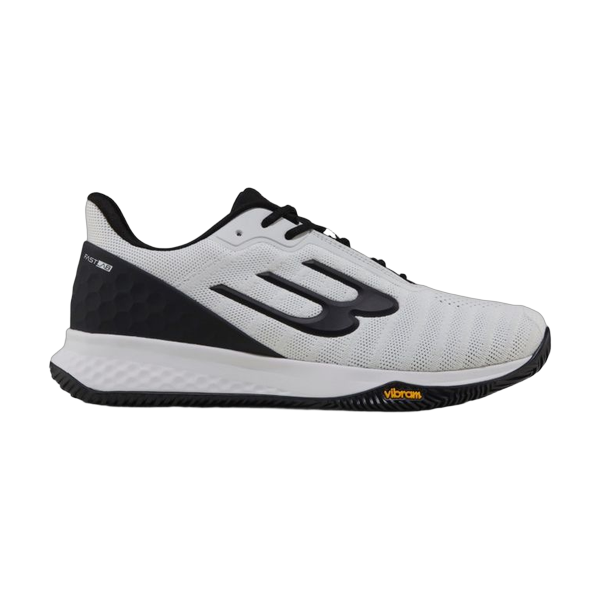
8.3
Padel Chapter
Read the review of Joma Slam Lady 26Joma
Slam Lady 26
- Comfort
- 8.6
- Grip
- 7.8
- Stability
- 8.3
- Durability
- 7.6
-
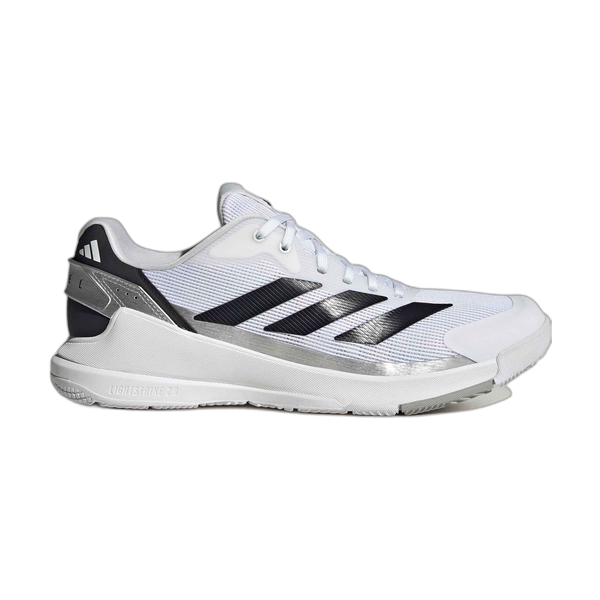
8.2
Padel Chapter
Read the review of Bullpadel Xplo Vibram 26IBullpadel
Xplo Vibram 26I
- Comfort
- 7.9
- Grip
- 9.3
- Stability
- 8.1
- Durability
- 8.4
-
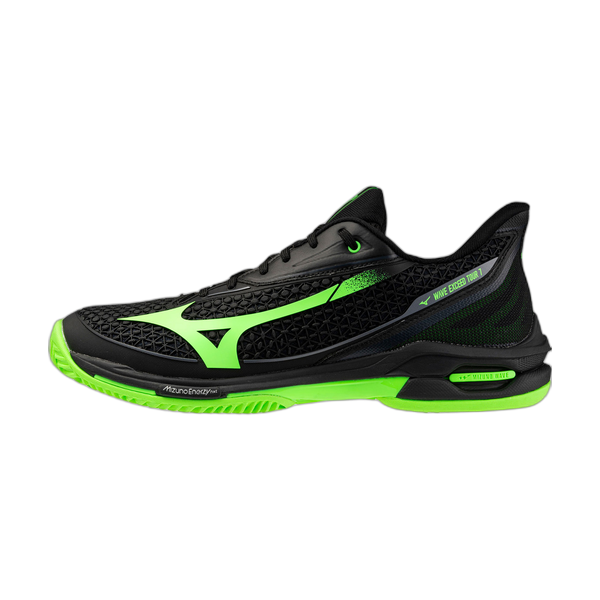
8.1
Padel Chapter
Read the review of Adidas Crazyquick Lightstrike PadelAdidas
Crazyquick Lightstrike Padel
- Comfort
- 8.8
- Grip
- 8.1
- Stability
- 8.1
- Durability
- 7.3
-
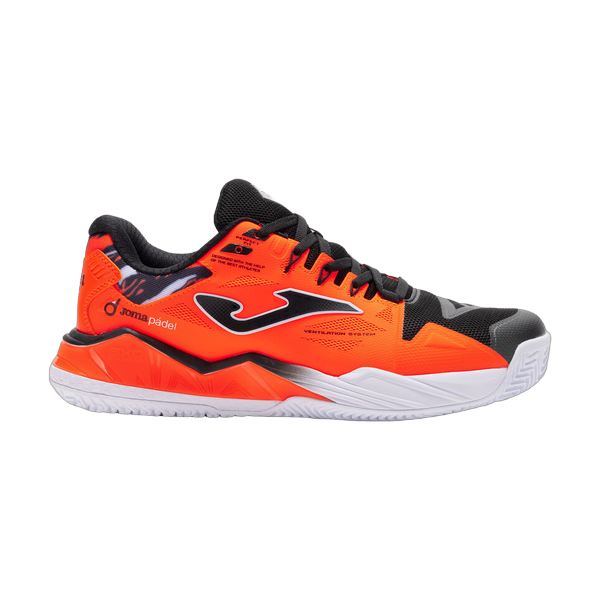
8.1
Padel Chapter
Read the review of Mizuno Wave Exceed Tour 7 Padel ACMizuno
Wave Exceed Tour 7 Padel AC
- Comfort
- 7.7
- Grip
- 8.7
- Stability
- 8.1
- Durability
- 8.0
-
8.1
Padel Chapter
Read the review of Joma Spin Men 26Joma
Spin Men 26
- Comfort
- 8.3
- Grip
- 7.8
- Stability
- 8.3
- Durability
- 7.6
-
8.1
Padel Chapter
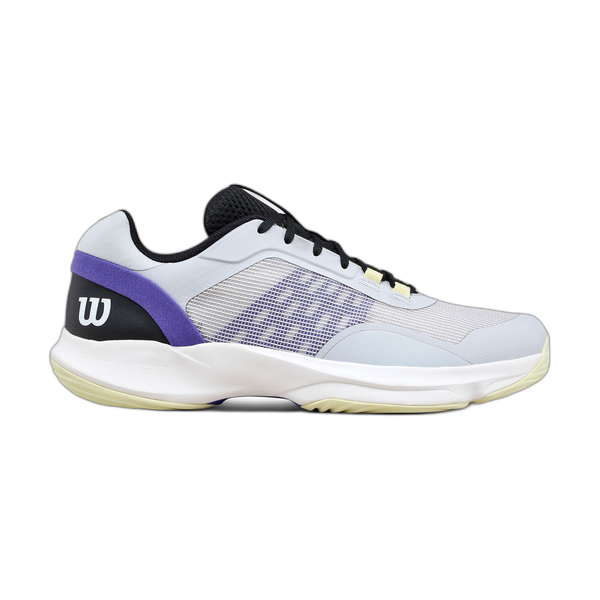
Read the review of Wilson Hurakn Pro 2.0Wilson
Hurakn Pro 2.0
- Comfort
- 8.3
- Grip
- 8.1
- Stability
- 8.1
- Durability
- 7.3
-
12 of 81 visible
Buying guide
What to know before you buy
Five criteria that determine whether a shoe is suitable for padel, and the common mistakes they help you avoid.
01
Outsole pattern
Artificial grass needs a herringbone pattern that grips in every direction. On parquet or wooden floors, a soft gum sole is required: a herringbone sole leaves marks and is not allowed there. Neither tennis shoes nor running shoes have an outsole pattern suitable for artificial grass.
02
Lateral stability
Padel involves more lateral movement than almost any other racket sport. A good padel shoe has reinforcements on the outside of the midsole to prevent it from rolling over. Tennis shoes and running shoes are built for linear, forward movement and lack the lateral protection that protects your knees and ankles.
03
Cushioning and comfort
After two hours on court, you notice the difference. A midsole that is too soft sounds comfortable but creates instability during explosive movements. Look for balance: enough cushioning for your joints without sacrificing lateral support.
04
Fit and width
During strokes, your foot slides forward inside the shoe. A snug heel is essential; the toe box needs room. Choose half a size larger than your usual size, especially with narrow toe boxes. Brands fit differently: Babolat and Head generally fit narrower than Asics and Wilson.
05
Durability
The outsole wears fastest on the outer edge of the forefoot and at the toe; once the herringbone tread becomes flat, you lose grip. When playing twice a week, most models last 6–12 months. More expensive shoes use a denser rubber compound that wears more slowly, partly offsetting the higher purchase price.
Frequently asked questions
All about padel shoes
What is the difference between padel and tennis shoes?
Padel shoes have a reinforced herringbone pattern for artificial grass, more lateral stability and a firmer outer edge. Tennis shoes are optimised for hard courts or clay, but lack the lateral protection that padel players need.
Can I use indoor tennis shoes for padel?
That is not advisable. Indoor tennis shoes lack the grip on artificial grass and the lateral reinforcements padel requires. You can play in them, but risk slipping and ankle injuries during quick changes of direction.
How long do padel shoes last?
When playing twice a week, most models last 6–12 months. The outsole wears first on the outer edge of the ball of the foot and at the toe. Once the tread becomes flat, it is time to replace them.
Should I buy shoes specifically for artificial grass?
If you play in the Netherlands, the answer is almost always yes. A herringbone outsole designed for artificial grass provides significantly more grip and wears considerably more slowly than a generic all-court outsole on artificial grass.
Rackets
Still looking for a racket?
188 rackets reviewed for power, control and sweet spot. Honest and independent.