Strengths and tradeoffs
- Prepared volleys and smashes reward committed contact
- Deliberate placement with repeatable direction
- Moderate misses can retain useful stability
- Recovery is less quick than the Motion in the family account
- Firm impact and sustained loading remain noticeable
- Contact low on the face loses depth
Placement with an attacking option
The useful combination is prepared attack and deliberate direction. A player who gets into position can use a committed volley or smash without treating power and placement as opposites.
That description does not mean that a late, passive swing gains the same output. Organizing the contact is part of the racket’s practical proposition.
Handling under pressure
Repeated preparation is the tradeoff. The family account describes slower recovery than the Motion, which matters when you have less time between contacts.
If your exchanges depend on last-moment adjustments, compare that handling demand carefully. If you prefer to prepare early and make a more deliberate stroke, the same tradeoff may be easier to accept.
Impact, misses and fit
Firm contact and sustained loading remain relevant even when the strike is clean. Moderate misses may stay stable, while contact low on the face reduces depth.
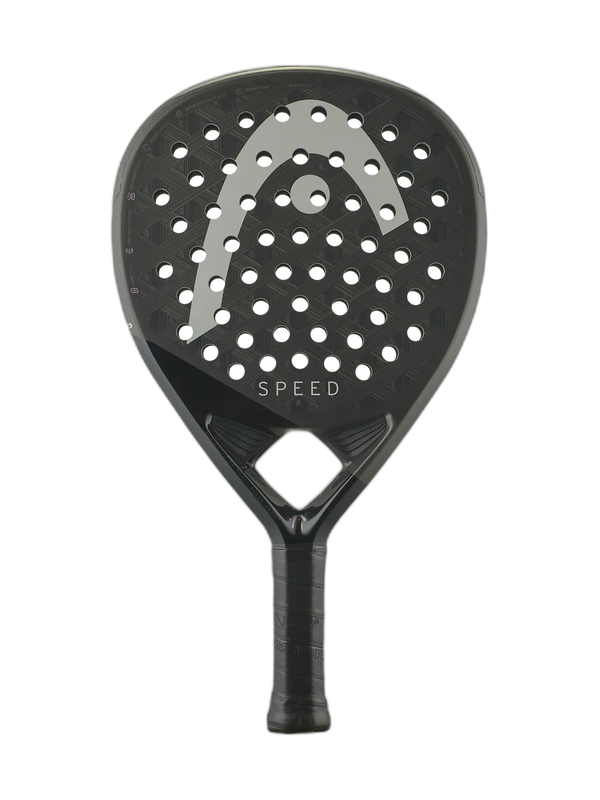
The Speed Pro makes sense for a preference for organized volleys, prepared overheads and placement. It is less compelling when rapid recovery and a soft-feeling response are the main requirements. This is the 2025 Speed Pro, not a later Speed or an Extreme Pro.
A relevant alternative
The HEAD Speed Motion 2025 is the relevant family comparison when quicker recovery matters.
Put the Speed Pro on your shortlist for the combination of prepared attack and deliberate placement. Accept the time and effort needed to reset. If quick reactions are regularly more important than a committed stroke, the Motion deserves a close look.