Strengths and tradeoffs
- Strong prepared finishing potential
- Predictable placement when mechanics and contact are organized
- Repeated changes of direction demand preparation
- Imperfect contact can sharply reduce useful delivery
- Firm repeated impact can feel demanding over a session
Where the attacking character helps
The attributed accounts emphasize finishing with a full, prepared action. Players who create their own acceleration have more reason to consider this profile than those looking for a racket to supply depth from a passive stroke.
Directional predictability belongs to that same organized contact. Being able to place the ball deliberately does not mean the racket is easy to use when you are rushed.
Net exchanges and difficult contact
Handling is the main counterweight to the attacking potential. In quick net exchanges, getting ready again needs deliberate work. Static mass alone does not tell you how easy a racket will feel to swing.
The useful hitting region is less accommodating when timing or contact slips. Lateral stability in one account does not mean that every miss retains depth; substantial errors can still cost delivery.
Choosing this Black version
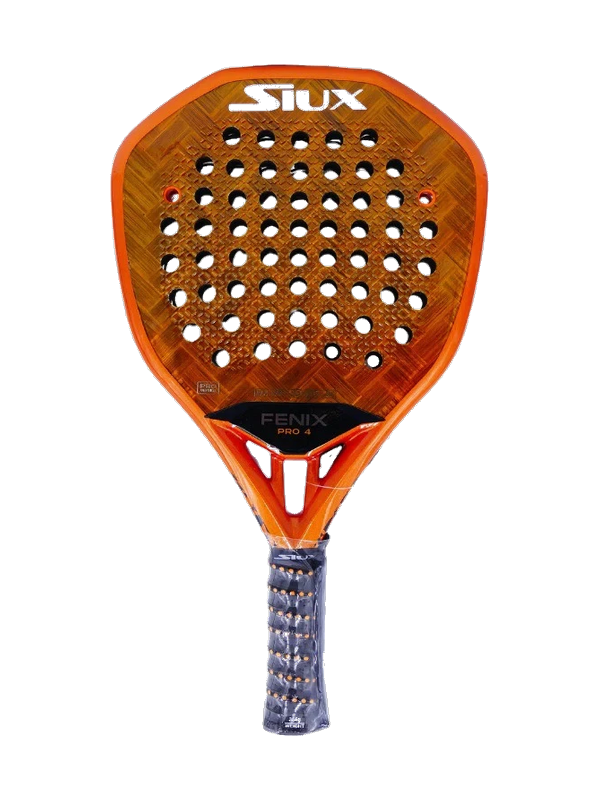
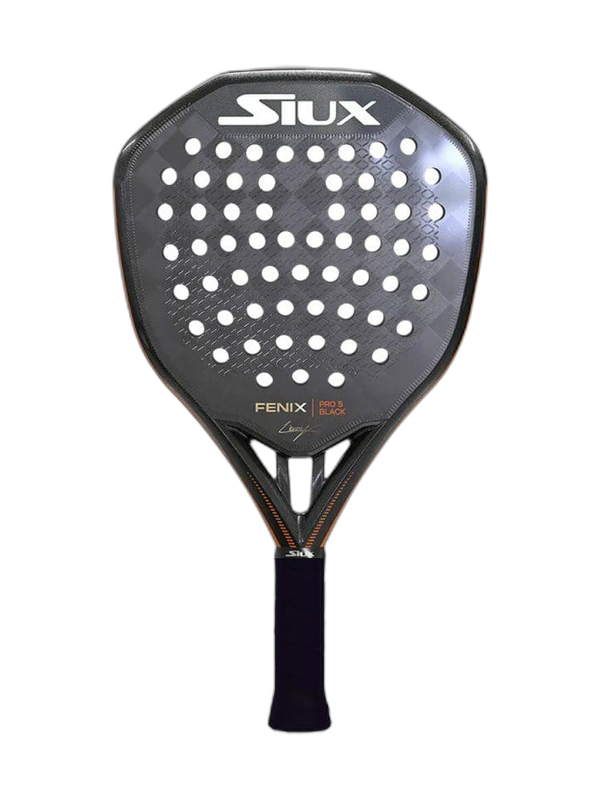
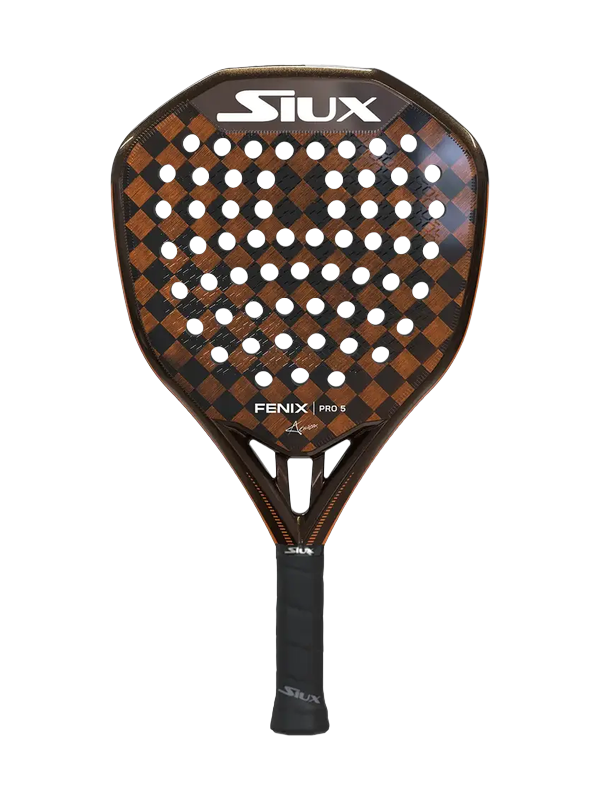
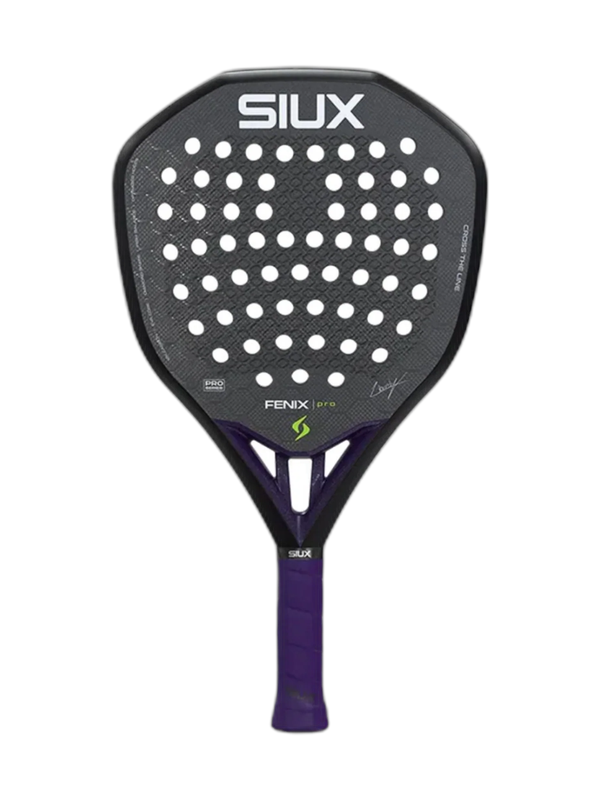
The target here is the Fenix Pro 2026 Black. It is not the Pro 5, Elite or an assumed equivalent of another colour.
Consider it if you are happy to work for prepared attacking strokes and accept a firm, demanding response. If passive defense, effortless recovery or a broad error margin matter more, look for a less demanding profile.
A relevant alternative
The HEAD Coello Pro 2026 is another prepared-attack profile to inspect. Compare the handling and contact tradeoffs rather than expecting a small total-score gap to identify a winner.
The Fenix Black earns its shortlist place through prepared attacking potential. Choose it only if its reset and contact demands fit how you actually play. A more forgiving or easier-handling racket can be the better choice even with a lower technical total.